Chemistry shapes the modern world. From medicines that save lives to industrial processes that produce everyday products, chemical science drives innovation and convenience. Yet the very same principles that allow these advances also underpin substances and reactions that can be hazardous, destructive, or even lethal. Understanding the delicate balance between beneficial and dangerous chemistry is essential for responsible use, research, and regulation.
Understanding the Dual Nature of Chemistry
Chemistry is inherently neutral; it describes the behavior of matter and the interactions between molecules. Whether a chemical is “useful” or “dangerous” depends largely on context, concentration, and application. Water is essential for life but can cause drowning or severe poisoning in extreme amounts. Similarly, sodium chloride (table salt) is vital for biological function but toxic in high doses.
The duality extends to industrial and laboratory chemistry. Nitroglycerin, used medically to treat heart conditions, is also a powerful explosive. Ammonia is indispensable in fertilizer production yet can be hazardous if inhaled or mixed improperly. Recognizing this dual nature allows chemists, regulators, and the public to harness benefits while minimizing risks.
Historical Lessons in Chemical Risk
History provides clear examples of both triumph and tragedy. The development of chlorofluorocarbons (CFCs) initially revolutionized refrigeration and air conditioning. These chemicals were stable, non-flammable, and efficient. However, decades later, CFCs were discovered to deplete the ozone layer, creating global environmental challenges. This illustrates that chemical safety is not only immediate but can have long-term consequences.
Similarly, industrial accidents like the 1984 Bhopal disaster highlight how improper handling, inadequate safety protocols, and lack of awareness can turn routine chemical processes into catastrophes. Thousands of lives were lost due to a gas leak from a pesticide plant, emphasizing that chemicals themselves are not inherently evil, but mismanagement can produce devastating outcomes.
Factors Determining Chemical Safety
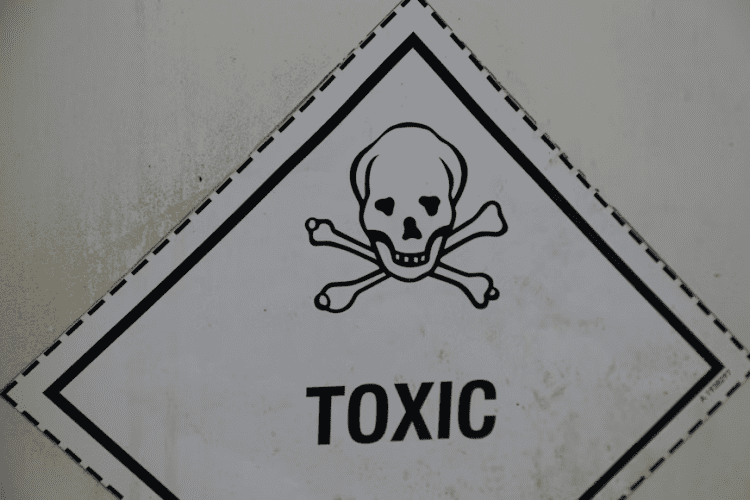
Several interrelated factors influence whether a chemical is considered safe or dangerous:
Concentration and Dose
The toxicity of a substance often depends on the amount present. Paracelsus, the father of toxicology, famously stated: “The dose makes the poison.” Even water or oxygen can be harmful in excessive quantities. Understanding dose-response relationships is fundamental in medicine, environmental science, and industrial chemistry.
Reactivity and Stability
Some chemicals are inherently reactive and require careful handling. Sodium metal reacts violently with water, while hydrofluoric acid can penetrate skin and cause systemic toxicity. Chemical stability, or lack thereof, directly affects the potential for accidents, explosions, or environmental release.
Exposure and Pathways
Chemical hazards also depend on how humans or ecosystems come into contact with substances. Inhalation, ingestion, or skin absorption can dramatically change the risk profile. For example, lead is far more dangerous when ingested or inhaled than when contained safely in certain industrial materials.
Synergistic Effects
Chemicals do not act in isolation. Mixtures can produce unexpected and sometimes dangerous reactions. Combining household cleaning agents like bleach and ammonia produces chloramine gas, demonstrating that chemical interactions can create new hazards even from seemingly benign substances.
Designing Safer Chemistry
Modern chemical research increasingly emphasizes safety and sustainability. Green chemistry principles aim to design chemicals and processes that minimize risk to humans and the environment while maintaining effectiveness. This includes:
- Reducing or replacing toxic reagents.
- Designing reactions that avoid hazardous byproducts.
- Using renewable feedstocks and energy-efficient processes.
For instance, chemists have developed biodegradable polymers to replace persistent plastics, reducing environmental hazards. Similarly, pharmaceutical chemistry strives to create drugs that are both potent and selective, minimizing side effects and accidental toxicity.
Regulation and Risk Management
Regulatory frameworks exist to manage chemical risk, protect public health, and guide industrial practice. Agencies such as the U.S. Environmental Protection Agency (EPA) and the European Chemicals Agency (ECHA) set exposure limits, require safety testing, and monitor environmental impact. International agreements, like the Stockholm Convention on persistent organic pollutants, address global chemical hazards.
Risk management also includes education, labeling, personal protective equipment, and emergency protocols. Even inherently dangerous chemicals can be handled safely when proper measures are in place, highlighting the importance of knowledge and procedure.
Chemicals in Medicine: A Case Study
Medicinal chemistry exemplifies the thin line between benefit and danger. Drugs such as chemotherapy agents selectively target cancer cells but are also toxic to healthy tissue. Insulin is life-saving for diabetics but can cause fatal hypoglycemia if overdosed. Vaccines leverage attenuated or inactivated pathogens to prevent disease but require rigorous testing to ensure safety.
These examples illustrate that chemicals with potent biological activity demand precise understanding, control, and monitoring. The margin between therapeutic effect and harm can be narrow, underscoring the importance of careful design and administration.
Industrial and Everyday Chemistry
In industry, the challenge lies in scaling chemical processes safely. Large volumes of reactive or toxic substances present risks that are negligible in small laboratory experiments. Process chemistry focuses on designing reactions and equipment that maintain safety while ensuring efficiency.
Even in the household, chemicals pose subtle risks. Cleaning agents, solvents, and garden chemicals can cause burns, poisoning, or environmental contamination if misused. Public awareness and clear labeling are essential to prevent accidents.
Environmental and Ethical Considerations
The consequences of dangerous chemistry extend beyond immediate human health. Persistent organic pollutants, heavy metals, and greenhouse gases affect ecosystems and climate. Ethical responsibility in chemical research involves evaluating long-term effects, potential misuse, and environmental impact.
For example, organophosphates revolutionized agriculture by controlling pests but also caused poisoning incidents and environmental damage. Today, chemists seek alternatives that balance efficacy with ecological safety, demonstrating that ethical considerations are inseparable from chemical innovation.
Education and Public Awareness
Educating chemists, technicians, and the public is critical for balancing usefulness and danger. Understanding chemical properties, safe handling, and emergency response empowers individuals to make informed decisions. Science communication plays a role in demystifying chemistry, reducing fear, and fostering responsible innovation.
Programs emphasizing laboratory safety, chemical literacy, and environmental stewardship help prevent accidents, ensure compliance, and encourage innovation within safe boundaries.
The Ongoing Challenge
Chemistry will continue to offer solutions to global challenges—from energy storage and materials science to medicine and environmental protection. Each advance carries potential hazards. Balancing innovation with safety, ethics, and sustainability remains a central challenge for the scientific community.
By learning from history, applying green chemistry principles, and fostering rigorous education, chemists can maximize benefits while minimizing risks, ensuring that chemical science remains a force for progress rather than peril.
Key Takeaways
- Chemicals are neutral; context, dose, and application determine usefulness or danger.
- Historical examples show both the benefits and risks of chemical innovation.
- Factors affecting safety include concentration, reactivity, exposure, and chemical interactions.
- Green chemistry aims to design substances and processes with minimal risk.
- Regulation, labeling, and education are critical for managing chemical hazards.
- Medicinal and industrial chemistry demonstrate the narrow margin between efficacy and toxicity.
- Environmental and ethical considerations are integral to responsible chemical practice.
- Public awareness and scientific literacy enhance safety and enable responsible innovation.
Conclusion
The thin line between useful and dangerous chemistry underscores the responsibility inherent in manipulating matter. With careful design, rigorous testing, ethical oversight, and informed use, chemicals can drive technological and medical progress while minimizing harm. Recognizing this balance allows society to harness the power of chemistry safely, turning potential hazards into tools for advancement and sustainability.