
Every time you turn on the stove or preheat an oven, you are setting off a chain of physical and chemical reactions that reshape food at the molecular level. Cooking is not just tradition or intuition—it is applied science. Understanding how heat transforms ingredients helps home cooks improve flavor, control texture, preserve nutrients, and avoid common mistakes that turn great ingredients into disappointing meals.
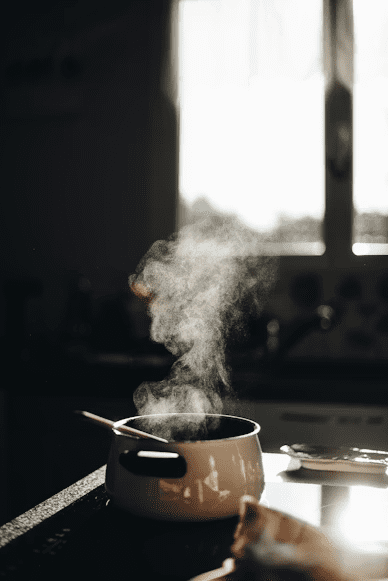
Heat as a Physical Force in Cooking
Heat is a form of energy that increases molecular motion. When food heats up, molecules begin to vibrate, collide, and rearrange. This simple physical principle explains why solid butter melts, water boils, and proteins change shape.
At lower temperatures, heat mainly causes physical changes. Ice melts into water without altering its chemical identity. Fat softens and becomes liquid. Sugars dissolve more easily in hot liquids. These shifts affect texture and consistency but do not create new substances.
As temperatures rise, chemical reactions take over. Bonds between atoms break and reform, producing new flavors, aromas, colors, and textures. This is where cooking truly transforms ingredients rather than just warming them.
Protein Under Heat: From Soft to Firm
Proteins are large, folded molecules that give structure to meat, eggs, dairy, and legumes. Heat causes these molecules to denature, meaning they unfold and tangle with one another.
Eggs as a Model of Protein Transformation
A raw egg white is mostly liquid because its proteins are neatly folded and suspended in water. As heat is applied, these proteins unwind and link together, forming a solid network that traps moisture. The result is a soft, opaque egg white. With more heat, that network tightens and squeezes out water, producing rubbery eggs.
This same process occurs in meat. Gentle heat creates tender results by allowing proteins to set gradually. High heat tightens them rapidly, pushing out moisture and making food tougher.
Collagen and Slow Cooking
Not all proteins behave the same way. Tough cuts of meat are rich in collagen, a connective protein that is chewy at high heat but breaks down into gelatin during long, slow cooking. This is why stews and braises turn inexpensive, tough cuts into tender dishes full of body and richness.
The Chemistry of Flavor: Browning Reactions
Some of the most powerful flavor transformations in cooking come from browning reactions, which only occur at higher temperatures.
The Maillard Reaction
The Maillard reaction is the foundation of roasted, toasted, and grilled flavors. It happens when amino acids (from proteins) react with sugars under dry heat, typically above 140°C (285°F). This reaction creates hundreds of new flavor compounds responsible for the savory taste of crusty bread, seared steak, roasted coffee, and fried onions.
Crucially, moisture slows the Maillard reaction. This is why wet food steams instead of browns. Drying the surface of meat or vegetables before cooking dramatically improves browning and flavor.
Caramelization of Sugars
Caramelization is a different process that involves only sugar. As heat breaks down sugar molecules, they rearrange into new compounds that taste bitter, nutty, and complex. This transformation begins around 160°C (320°F). Onions, carrots, and even milk rely on this reaction to develop sweetness and depth.
Starches and Structure: How Heat Builds Texture
Starches, found in grains, potatoes, rice, and legumes, are long chains of glucose packed into tight granules. Heat and moisture cause these granules to swell and burst in a process called gelatinization.
Why Bread Rises and Sets
In bread dough, heat serves two roles. Early in baking, expanding gases from yeast fermentation and water vapor cause the dough to rise. As the temperature climbs higher, starches gelatinize and proteins set, locking the bread into its final structure. Without this controlled transformation, bread would collapse instead of forming a stable crumb.
Pasta, Rice, and Tenderness
When you boil pasta or rice, heat forces water into starch granules, causing them to soften. Undercooked starch remains rigid and gritty. Overcooked starch absorbs too much water, bursts completely, and releases excess starch into the cooking liquid, making the food mushy.
Fat and Heat: Flavor, Smoke, and Safety
Fats play a central role in how heat moves through food. Because fat conducts heat efficiently, it delivers energy evenly across a cooking surface. This is why frying produces crisp results while boiling does not.
Smoke Points and Culinary Control
Every cooking fat has a smoke point, the temperature at which it begins to decompose and produce visible smoke. Below this point, fats are stable and contribute clean flavor. Above it, they break down into bitter compounds and potentially harmful substances.
Butter, rich in milk solids, smokes at a relatively low temperature. Oils like avocado or refined sunflower oil tolerate much higher heat, making them better for searing and frying.
Fat as a Flavor Carrier
Many flavor molecules dissolve only in fat, not water. Heating fat releases aroma compounds from spices, herbs, and vegetables. This is why recipes often begin by sautéing ingredients in oil—it builds the flavor foundation before liquids are added.
Water, Steam, and Temperature Limits
Water has a powerful influence on cooking because it regulates temperature. No matter how high the heat source, water-based cooking cannot exceed 100°C (212°F) at normal atmospheric pressure.
Boiling vs. Steaming
Boiling immerses food in liquid water, transferring heat quickly but potentially leaching out water-soluble nutrients and flavors. Steaming uses water vapor instead, which cooks gently and preserves more nutrients and structure.
Why Dry Heat Browns and Wet Heat Doesn’t
As long as water is present on the surface of food, temperature remains capped at the boiling point. Only after surface moisture evaporates can the temperature rise high enough for browning reactions to occur. This is the scientific reason behind patting meat dry before searing.
Heat and Nutrients: Losses and Gains
Cooking changes nutritional value in complex ways. Some nutrients degrade under heat, while others become more accessible.
Heat-Sensitive Vitamins
Vitamin C and some B vitamins are particularly sensitive to heat and water. Boiling vegetables for long periods can significantly reduce their vitamin content. Short cooking times and minimal water help preserve these nutrients.
Improved Bioavailability
Not all heat effects are negative. Heating breaks down plant cell walls, making nutrients like lycopene in tomatoes and beta-carotene in carrots more absorbable. Cooking also deactivates natural toxins in foods such as beans and potatoes, making them safe to eat.
Temperature Control: The Difference Between Success and Failure
Great cooking depends less on high heat and more on controlled heat. Different transformations require different temperature ranges.
- Low heat preserves delicate textures and prevents moisture loss
- Medium heat allows gradual development of flavor
- High heat drives browning and crisping
Understanding this spectrum allows cooks to choose techniques deliberately rather than by habit.
Cultural Roots of Heat-Based Cooking
Across cultures, cooking methods evolved in direct response to how heat interacts with ingredients. Mediterranean grilling developed around dry heat and olive oil. East Asian stir-frying relies on intense heat and rapid motion to preserve texture and color. Indigenous slow-cooking techniques, such as pit roasting, exploit long exposure to low heat to break down tough fibers.
These traditions reflect centuries of practical experimentation with the same scientific principles we now describe in chemical terms.
Common Heat Myths in the Kitchen
Several widespread beliefs about cooking and heat do not hold up under scientific scrutiny.
- “Sealing meat locks in juices.” Searing enhances flavor through browning but does not prevent moisture loss.
- “Boiling always kills nutrients.” While some vitamins are lost, others become more bioavailable after cooking.
- “Higher heat means faster and better cooking.” High heat often cooks the outside too quickly while leaving the inside underdone.
Understanding the science behind these myths leads to more consistent results.
Cooking as Controlled Transformation
At its essence, cooking is about managing energy flow. Every sound of sizzling, every change in color, and every shift in aroma reflects a transformation at the molecular level. Heat does not simply make food hotter—it reshapes proteins, rearranges sugars, restructures starches, and alters fats in ways that shape taste, nutrition, and texture.
When cooks grasp these transformations, recipes become tools instead of rigid rules.
Key Takeaways
- Heat drives both physical and chemical transformations in food.
- Proteins denature and set under heat, shaping texture in eggs, meat, and dairy.
- Browning reactions like the Maillard reaction create complex flavors.
- Starches gelatinize with heat and moisture, defining structure in grains and bread.
- Fats transfer heat efficiently and carry flavor but require temperature control.
- Water limits temperature and controls whether food steams, boils, or browns.
- Cooking can both reduce and enhance nutritional value, depending on method.
FAQ
Why does food change color when it cooks?
Color changes usually result from chemical reactions, such as the Maillard reaction, caramelization, or pigment breakdown in vegetables.
Is higher heat always better for flavor?
No. While high heat promotes browning, excessive heat can burn food, destroy delicate flavors, and toughen proteins.
Why does meat become tough when overcooked?
Excessive heat causes protein fibers to tighten and squeeze out moisture, leading to dryness and toughness.
Does cooking always destroy nutrients?
Not always. Some vitamins are lost, but many nutrients become easier to absorb after cooking.
Why does frying taste richer than boiling?
Frying allows browning reactions to occur and uses fat, which carries and amplifies flavor compounds.
Conclusion
Heat is the invisible hand that shapes every cooked meal. It untangles proteins, unlocks sugars, softens starches, and releases aromas that define flavor. By understanding how heat transforms ingredients, cooks gain control over texture, taste, and nutrition rather than relying on guesswork. Cooking with science does not remove the artistry from the kitchen—it deepens it.