
Windows are an integral part of modern architecture, shaping both the aesthetics and functionality of buildings. Beyond their role in admitting light and providing visual connection with the outside world, windows represent a remarkable achievement of materials science. Understanding the composition, properties, and technological evolution of glass allows us to appreciate how this seemingly simple material impacts energy efficiency, safety, and human experience.
The Science of Glass: From Molecules to Transparency
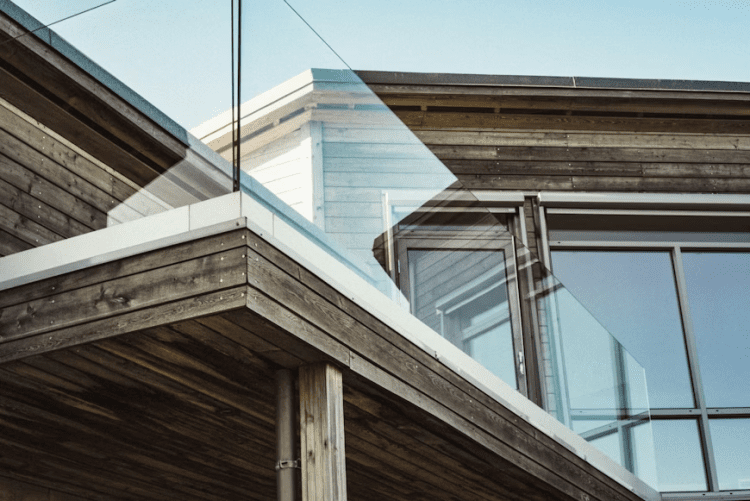
At the heart of every window lies glass—a solid, yet amorphous material. Unlike crystalline solids, where atoms are arranged in regular patterns, glass has a disordered atomic structure that resembles a frozen liquid. This unique arrangement gives glass its transparency, a property that allows visible light to pass through with minimal scattering.
The primary component of conventional window glass is silica (SiO₂), usually derived from sand. To lower the melting temperature and improve workability, additives such as soda (sodium carbonate) and lime (calcium oxide) are incorporated. The result is soda-lime glass, which constitutes more than 90% of commercial windows worldwide. Its optical clarity, chemical stability, and mechanical durability make it ideal for everyday applications.
Transparency is not merely about clarity; it also involves refractive index and surface smoothness. Even microscopic impurities or surface roughness can scatter light, reducing visual quality. Advances in production techniques, including float glass manufacturing, have enabled glass panels of exceptional uniformity and flatness, which remain free of distortions that were common in hand-blown panes of earlier centuries.
Historical Evolution of Window Glass

Glassmaking has a long history, dating back to Mesopotamia and Egypt around 2000 BCE, where small, colored glass fragments were used decoratively. By the Roman era, techniques such as glassblowing allowed larger panes, though transparency remained limited. Windows were often small, providing only minimal light and ventilation.
The Renaissance marked a turning point, with innovations in cylinder and crown glass techniques producing more transparent and uniform sheets. However, it was the 20th century’s industrial revolution and the development of float glass by Pilkington in 1952 that transformed window manufacturing. In this process, molten glass is floated on a bath of molten tin, creating perfectly flat sheets with consistent thickness—ideal for modern architectural demands.
Thermal and Energy Considerations
Glass is not only about visibility; it plays a critical role in building energy efficiency. Single-pane windows allow significant heat transfer through conduction, convection, and radiation, which can increase heating and cooling loads. To address this, modern window design often incorporates double or triple glazing with an air or inert gas (like argon) layer between panes.
These insulating layers reduce heat loss in winter and heat gain in summer. Low-emissivity (Low-E) coatings further enhance performance by reflecting infrared radiation while allowing visible light to pass through. This selective transparency creates a balance between natural lighting and thermal control, illustrating the intricate interplay between optical and thermal properties in materials science.
Strength and Safety: Engineering Glass
Ordinary glass is brittle, prone to cracking under stress. To overcome this, several strengthening techniques have been developed:
- Tempered Glass: Heated and rapidly cooled to introduce compressive stress on the surface, increasing resistance to impact. When broken, it shatters into small, less dangerous pieces.
- Laminated Glass: Sandwiching a polymer layer between two glass sheets improves fracture resistance and prevents shards from dispersing, crucial for safety and security applications.
- Chemically Strengthened Glass: Surface ions are exchanged (e.g., sodium with potassium) to generate compressive stress, enhancing mechanical durability without altering transparency.
These innovations allow glass to serve in applications ranging from high-rise windows to vehicle windshields, blending structural performance with aesthetic appeal.
Optical and Functional Modifications
Advances in materials science have transformed windows from passive openings into multifunctional elements. Smart glass, for instance, can alter its transparency in response to electric voltage, light, or heat, providing privacy, glare control, and energy savings. Electrochromic windows, using thin layers of metal oxides, can switch from transparent to opaque, reducing reliance on blinds or curtains.
Other coatings modify light transmission selectively. Solar control glass reduces ultraviolet and infrared penetration, protecting interiors from fading and overheating while maintaining visual clarity. These functional enhancements illustrate how understanding material properties enables engineers to tailor glass for specific performance objectives.
Environmental and Sustainability Aspects
Glass production and disposal have notable environmental implications. Manufacturing requires high temperatures, consuming substantial energy, while traditional sand extraction impacts ecosystems. Recycling has become a critical focus: cullet (recycled glass) melts at lower temperatures, reducing energy consumption and carbon emissions.
Furthermore, the thermal performance of modern windows contributes to sustainable building design. Energy-efficient glazing reduces dependence on heating and cooling systems, lowering greenhouse gas emissions. Combining material innovation with architectural strategies, such as orientation and shading, can maximize natural light and minimize energy use, reflecting a holistic approach to sustainable construction.
Cultural and Psychological Impacts of Transparent Architecture
Windows do more than mediate heat and light; they shape human experience. Transparent surfaces create a sense of openness, connect occupants with nature, and influence mood and productivity. In historical architecture, small openings reinforced privacy and security, whereas contemporary glass facades foster transparency and social interaction.
The psychology of natural light also underscores the importance of materials science in daily life. Properly designed windows enhance circadian rhythms, improve mental well-being, and provide visual comfort. Glass thus becomes a bridge between scientific innovation and human-centric design.
Technological Trends and Future Directions
The future of window materials is moving toward integration of advanced functionality. Examples include:
- Photovoltaic Glass: Embedding solar cells within transparent glass layers to generate electricity without obstructing light.
- Self-Cleaning Coatings: Nanostructured surfaces that repel dirt and water, reducing maintenance.
- Adaptive Insulation: Glass that dynamically changes thermal conductivity depending on external conditions.
Such innovations are possible due to ongoing research in nanotechnology, surface chemistry, and material engineering. They demonstrate that glass is not static but an evolving material, constantly reshaped by scientific understanding and societal needs.
Key Takeaways
- Glass achieves transparency through its amorphous atomic structure and optical uniformity.
- Soda-lime glass dominates commercial windows due to clarity, durability, and cost-effectiveness.
- Thermal performance is enhanced by double/triple glazing and Low-E coatings.
- Strengthening techniques (tempering, lamination, chemical) improve safety and durability.
- Functional coatings enable solar control, privacy, and smart glass applications.
- Recycling and energy-efficient design reduce environmental impact.
- Windows influence human psychology, connecting interior spaces to natural light and surroundings.
- Emerging technologies integrate energy generation, self-cleaning, and adaptive properties.
FAQ
Q1: Why is glass transparent?
A: Glass is amorphous, with atoms arranged in a disordered structure, allowing visible light to pass through with minimal scattering.
Q2: What is the difference between tempered and laminated glass?
A: Tempered glass is heat-treated to resist breaking, shattering into small fragments if broken. Laminated glass has a polymer layer between sheets, holding fragments together for safety.
Q3: How does Low-E glass improve energy efficiency?
A: Low-E coatings reflect infrared radiation while allowing visible light, reducing heat loss in winter and heat gain in summer.
Q4: Can glass generate electricity?
A: Photovoltaic glass integrates solar cells, capturing sunlight to produce electricity without blocking light.
Q5: How sustainable is modern window glass?
A: Using recycled glass reduces energy consumption and emissions, while energy-efficient glazing decreases building energy needs.
Windows are more than mere openings; they are the result of centuries of materials science and engineering. By blending transparency, strength, energy performance, and human-centered design, modern glass transforms our interaction with light, environment, and architecture. As innovation continues, windows will increasingly reflect the fusion of scientific insight and societal aspirations.