
Contact lenses are a marvel of modern optics, offering millions of people the freedom to see clearly without relying on eyeglasses. By resting directly on the eye’s surface, they correct refractive errors while maintaining a natural field of vision. Beyond convenience and aesthetics, contact lenses reflect an intricate understanding of human vision, material science, and ocular health. Exploring how these tiny devices work reveals both the complexity of the eye and the ingenuity of modern vision correction.
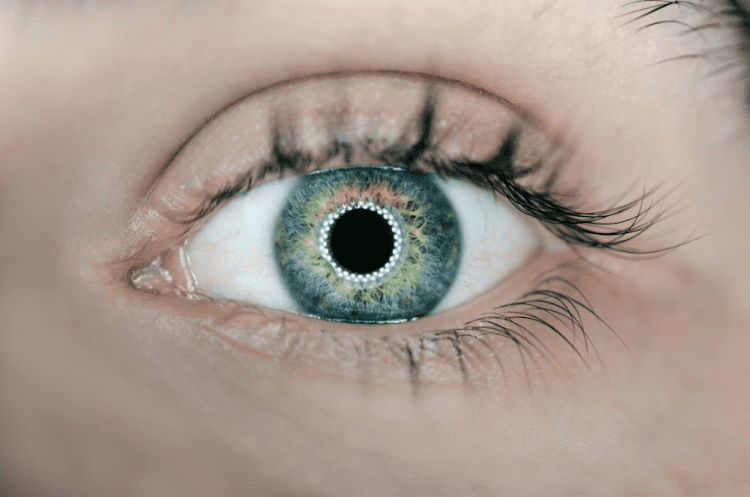
Understanding Vision and Refractive Errors
Human vision relies on precisely focused light reaching the retina. When the cornea, lens, or eyeball shape disrupts this focus, refractive errors occur, causing blurred or distorted vision. Correcting these errors is the primary function of contact lenses.
Types of Refractive Errors
- Myopia (nearsightedness): Light focuses in front of the retina, making distant objects blurry.
- Hyperopia (farsightedness): Light focuses behind the retina, impairing near vision.
- Astigmatism: Irregular curvature of the cornea or lens causes light to scatter, producing blurred or warped images.
- Presbyopia: Age-related lens stiffening reduces the eye’s ability to focus on close objects.
Contact lenses function by reshaping the pathway of light entering the eye, ensuring it lands accurately on the retina.
The Physics of Contact Lenses: Refraction and Focus
Contact lenses operate on the principle of refraction, which is the bending of light as it passes between media of differing densities. By creating a precise curvature, lenses adjust how light enters the eye.
How Lens Curvature Works
- Concave lenses are used for myopia, diverging light rays so they extend farther back onto the retina.
- Convex lenses correct hyperopia, converging light rays to focus properly on the retina.
- Toric lenses address astigmatism, having different curvatures along horizontal and vertical axes to counteract irregular corneal shapes.
- Multifocal lenses combine zones for distance, intermediate, and near vision, accommodating presbyopia.
Unlike eyeglasses, contact lenses sit directly on the cornea, moving with the eye to provide a natural, unobstructed visual experience.
Materials and Design: From Glass to High-Tech Polymers
The success of contact lenses depends heavily on material science. Over the past century, lens materials have evolved dramatically to balance oxygen permeability, comfort, and durability.
Early Lenses
The first lenses were made from rigid glass, offering correction but causing discomfort and limiting wear time. Later, polymethyl methacrylate (PMMA) lenses became popular, reducing weight but still blocking oxygen flow to the cornea.
Rigid Gas Permeable (RGP) Lenses
RGP lenses are made from durable plastics that allow oxygen to reach the cornea, combining optical precision with improved comfort. Their small size and stiffness provide stable vision, particularly beneficial for correcting high prescriptions or complex astigmatism.
Soft Lenses
Soft lenses, typically made of hydrogel or silicone hydrogel, absorb water to maintain flexibility and comfort. They cover a larger portion of the cornea, distributing pressure evenly and allowing more natural movement. Silicone hydrogel lenses, in particular, significantly improve oxygen permeability, reducing the risk of hypoxia and enhancing long-term ocular health.
Daily vs. Extended Wear
- Daily lenses are discarded after a single day, reducing infection risk.
- Extended wear lenses can be worn overnight for short periods, relying on high oxygen permeability to maintain corneal health.
The choice between materials and wear schedules depends on lifestyle, prescription, and eye physiology.
Customization and Precision: Measuring for Contact Lenses
Accurate contact lens fitting is crucial for both vision and comfort. Eye care professionals measure several parameters:
Base Curve and Diameter
The base curve determines how the lens fits the cornea’s curvature. A proper fit ensures the lens moves correctly with each blink while maintaining adequate tear circulation. Lens diameter affects coverage and stability, with precise sizing essential for comfort.
Power and Prescription
Contact lens prescriptions specify:
- Sphere (SPH): Corrects myopia or hyperopia
- Cylinder (CYL) and Axis: Correct astigmatism
- Add power: For multifocal lenses addressing presbyopia
Unlike eyeglasses, contact lenses also consider lens movement and tear film interactions, critical for optimal performance.
Comfort and Eye Health
A well-fitted lens must balance vision correction with ocular comfort. Tear film, oxygen flow, and lens hydration all influence wearability.
Oxygen Permeability
The cornea receives oxygen directly from the air. Materials like silicone hydrogel allow oxygen to pass through the lens, preventing corneal swelling, redness, and long-term complications.
Tear Film Interaction
The tear film lubricates the eye, reducing friction and distributing nutrients. Proper lens design ensures tear exchange beneath the lens, promoting comfort and corneal health.
Lens Hygiene
Daily cleaning and proper handling reduce the risk of infection. Poor hygiene can lead to bacterial keratitis or other complications, emphasizing the importance of responsible lens care.
Advanced Lens Technologies
Modern lenses incorporate advanced technologies to enhance vision and user experience.
Multifocal and Bifocal Lenses
For presbyopia, lenses may have multiple optical zones. Multifocal lenses allow smooth transition between distances, while bifocals offer distinct near and distance zones.
Toric Lenses for Astigmatism
These lenses rotate minimally to maintain alignment with the cornea’s irregular shape, providing stable, precise vision correction.
Colored and Cosmetic Lenses
Lenses can also alter eye appearance for aesthetic purposes, offering everything from subtle enhancement to dramatic color changes. Special tints may enhance contrast or reduce glare.
Smart and Sensing Lenses
Emerging technologies embed electronics or sensors in contact lenses to monitor health metrics, deliver drugs, or provide augmented reality interfaces. These innovations hint at a future where contact lenses serve as both optical and biomedical devices.
Historical and Cultural Context
The first conceptual contact lenses date back to the late 19th century, with pioneers like Adolf Fick experimenting with small glass lenses. Over decades, improvements in materials, manufacturing, and hygiene transformed lenses into practical, everyday devices. Culturally, contact lenses have shifted perceptions of beauty and convenience, offering a vision solution that is both discreet and empowering.
Key Takeaways
- Contact lenses correct vision by precisely refracting light to focus on the retina.
- Lens design varies by refractive error, including myopia, hyperopia, astigmatism, and presbyopia.
- Materials have evolved from rigid glass to soft hydrogels and oxygen-permeable silicones.
- Accurate measurements of base curve, diameter, and prescription ensure both vision and comfort.
- Tear film and oxygen flow are critical for safe, comfortable lens wear.
- Multifocal, toric, and cosmetic lenses expand the functional and aesthetic applications.
- Advanced technologies promise smart, health-monitoring, and adaptive lenses.
- Hygiene and proper care remain essential for preventing complications and maintaining eye health.
FAQ
Can contact lenses correct astigmatism?
Yes. Toric lenses or customized RGP lenses are specifically designed to correct irregular corneal curvatures.
Are soft lenses better than rigid lenses?
Soft lenses offer greater comfort and easier adaptation, while RGP lenses provide sharper vision and are more durable for certain prescriptions.
How long can I safely wear contact lenses?
Wear time depends on the lens type and material. Daily lenses should be discarded each day, while extended wear lenses have manufacturer-specified limits.
Do contact lenses affect eye health?
Properly fitted lenses made from oxygen-permeable materials are safe. Poor hygiene or improper fit can lead to complications like infections or corneal hypoxia.
Can contact lenses correct presbyopia?
Yes. Multifocal and bifocal lenses are designed to help with near and distance vision for age-related focusing issues.
Conclusion
Contact lenses are a sophisticated solution for vision correction, blending physics, material science, and human anatomy. By resting directly on the cornea, they provide unobstructed, precise vision while maintaining comfort and ocular health. Advances in design, materials, and technology continue to expand their capabilities, from aesthetic enhancements to smart, health-monitoring applications. These tiny devices embody centuries of optical innovation, enabling millions to see the world with clarity and freedom.